Phase 1: customer and offer
Define the audience, problem, promise, objections, and conversion event. A well-targeted campaign cannot rescue an unclear offer.
Phase 2: measurement foundations
Map events, UTM conventions, landing pages, consent, and reporting. Know which numbers are directional and which are reliable enough for a decision.
Phase 3: channel and creative tests
Choose a channel based on the audience and buying motion. Write a hypothesis before changing creative, audience, or budget.
Phase 4: optimisation and reporting
Separate diagnosis from reaction. Document what changed, what happened, what may have caused it, and what you will test next.
Build a portfolio artifact
Create a campaign brief, tracking plan, creative matrix, budget scenario, and weekly report using a clearly labelled simulation or approved live data. Continue with the fundamentals guide and the SEO comparison.
Build marketing systems, not channel tricks
Review the ISS Marketing & Growth curriculum and online delivery details.
View Marketing curriculum →Editorial scope
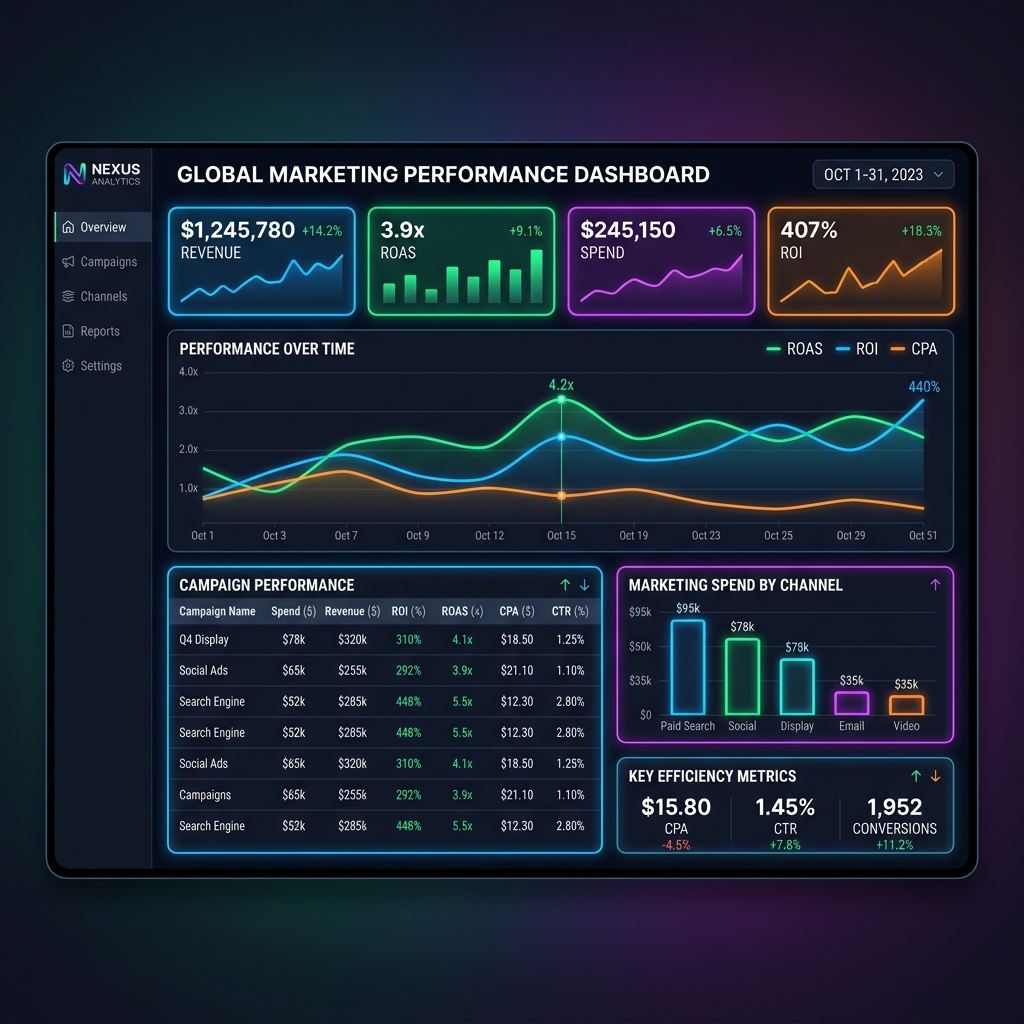
Ad platforms and attribution rules change. Verify current platform documentation and do not treat example metrics as expected results.